E-MyR is a clinical systems portfolio built like a chart: part professional record, part workflow lab, part evidence trail.
Portrait unavailable
Paul Peck, RN
Registered Nurse & Clinical Systems Builder | Clinical Informatics, Documentation Workflow & Healthcare AI
I work at the boundary between clinical operations and technical systems. My work translates frontline workflow, documentation burden, and operational ambiguity into structured tools, safer AI touchpoints, and systems that can be evaluated instead of merely trusted.
Current Direction
Clinical informatics and healthcare systems analysis
AI-assisted workflow design with human review and clear escalation paths
Documentation structure, EHR optimization, and signal-quality improvement
Local-first knowledge systems, operational memory, and governance-bound prototypes
Location: Columbus, OH (remote or hybrid preferred)
What I Build Toward
Systems that make responsibility visible
Interfaces that reduce cognitive load instead of hiding it
AI workflows that preserve human judgment
Documentation structures that improve downstream interpretation
Tools with audit trails, review boundaries, and explicit failure modes
I Am
An RN, self-taught systems builder, and informatics-focused operator
Built to see where healthcare workflow, documentation logic, local-first tooling, and AI governance overlap
Strongest work sits at that intersection
Location & Work Preference
Location: Columbus, OH
Work: Remote or hybrid, healthcare technology, informatics, workflow, documentation, AI governance
Advisory
Available for limited clinical workflow and documentation reviews: current-state mapping, handoff and responsibility analysis, requirements, prototypes, and implementation recommendations. Independent projects demonstrate methods and technical capability; they are not presented as completed client engagements or deployed production systems.
TL;DR: Clinical triage, emergency care, rehab operations, EHR documentation, local-first software, governed AI, biological systems, ecommerce infrastructure.
My work is systems-first because my background has been systems-heavy. I have worked inside clinical environments where unclear handoffs create risk, remote workflows where documentation becomes infrastructure, and technical projects where a system is only useful if it behaves safely under constraint.
Clinical workflow and documentation systems
Most recent clinical work: remote triage, chronic care, and documentation-heavy healthcare operations.
Mapped nurse-led triage and care-management workflows into clearer decision lanes
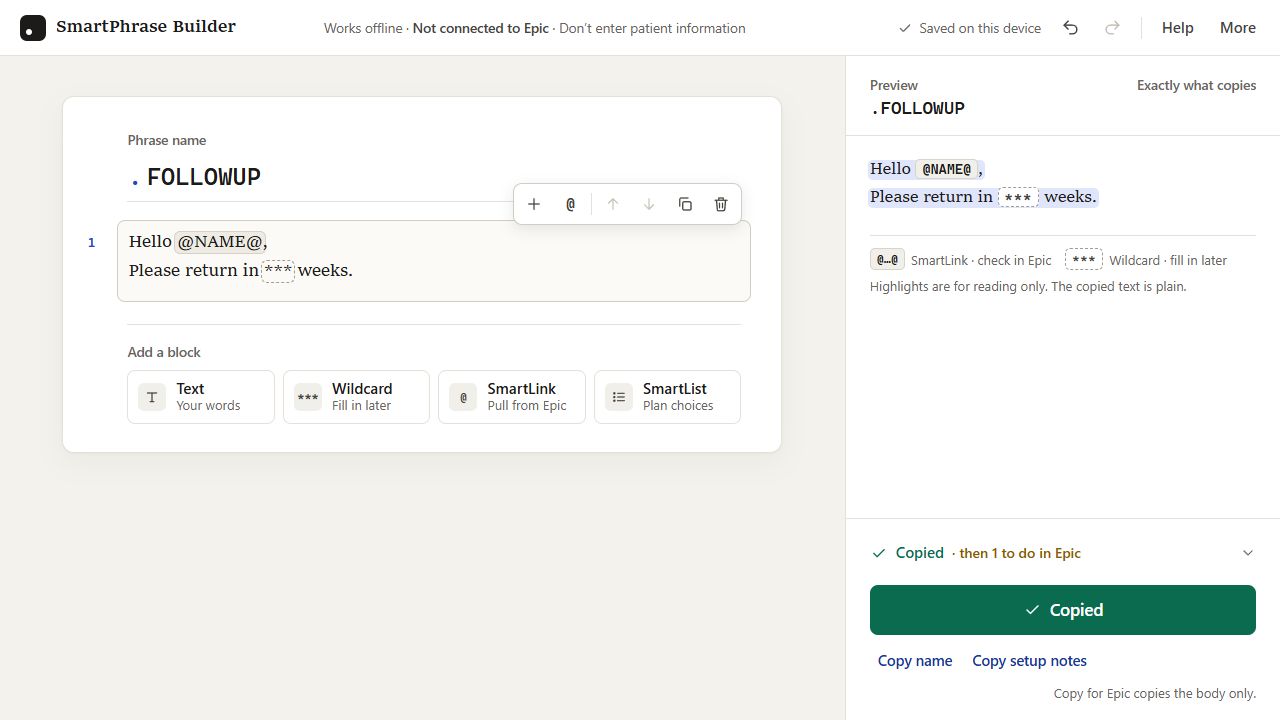
Designed structured documentation components that reduced repeated entry and improved consistency
Worked directly inside EHR and remote-care systems where the practical question is whether a tool supports safe work
Emergency, rehab, and high-acuity environments
Earlier acute and post-acute work shaped how I think about handoffs, failure modes, and cognitive load.
Worked where unclear lanes, incomplete information, and timing pressure directly affect safety
Learned to treat handoff quality, escalation logic, and documentation clarity as operational safety issues, not administrative preferences
Technical and governed AI systems
In parallel with nursing: software that supports judgment without becoming unaccountable infrastructure.
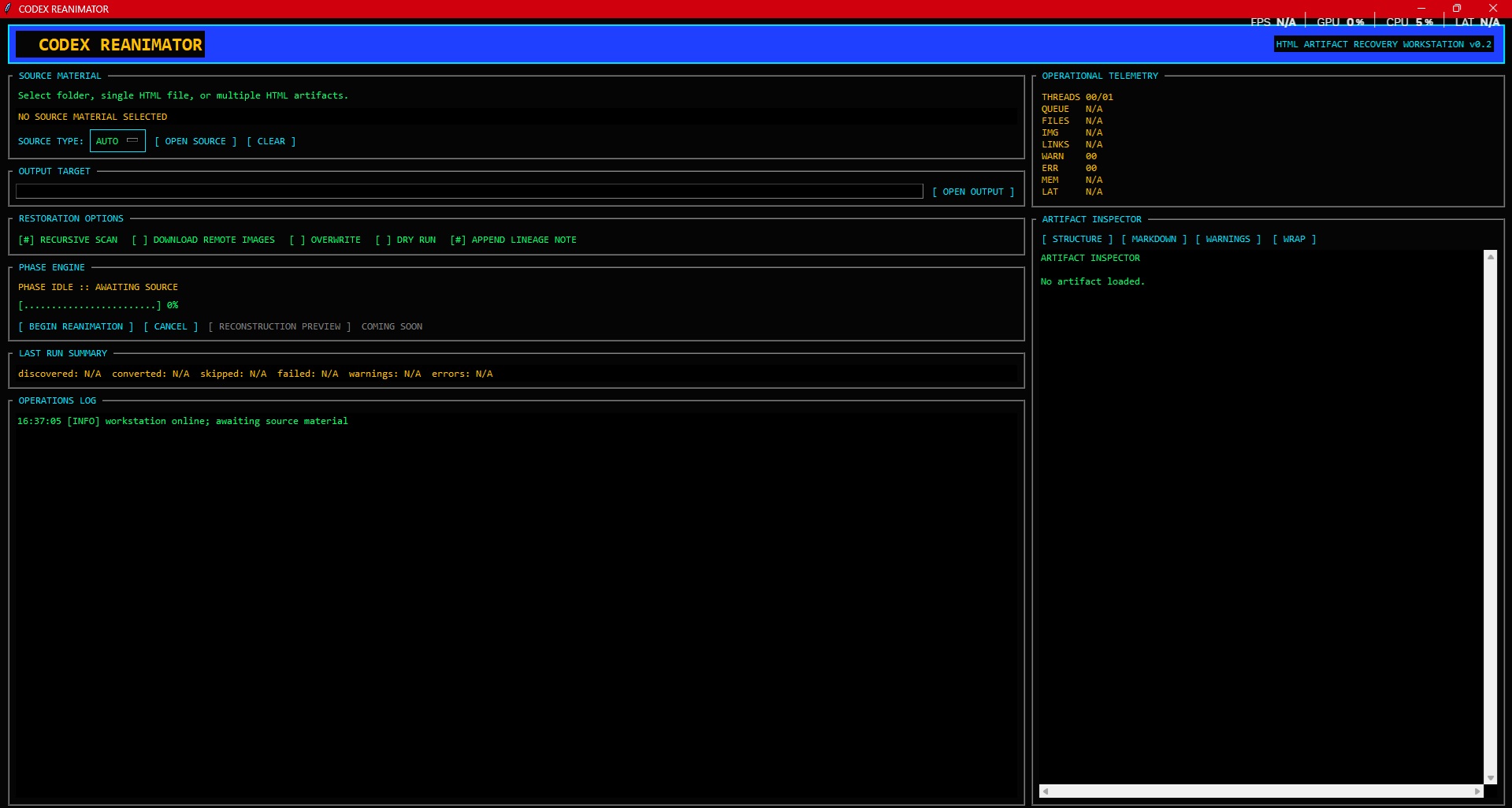
Built local-first tools for document intake, knowledge organization, operational memory, and review workflows
Designed governance patterns for human-reviewed AI output, audit trails, state visibility, and boundary enforcement
Python, JavaScript/TypeScript, SQL, FastAPI, React, SQLite, Pytest, Playwright, and REST APIs across applied prototypes
Experimental and creative systems
Work outside traditional software categories that informs how I think about resilience, feedback, and constraints.
Built and tested small biological systems: hydroponics, aquaponics, nutrient-flow experiments, regenerative garden layouts
Developed ecommerce and creative infrastructure; photography and macro videography as studies in signal and attention
Organizations and contexts
A non-exhaustive list of organizations whose systems and workflows have shaped how I think.
Signallamp Health / TellihealthNobis Health / Orlando Rehabilitation HospitalEncompass HealthVitaLoungeQuantum HealthSoutheastern Ohio Regional Medical CenterGrant Medical Center (OhioHealth)Nationwide Children’s HospitalGrant Life LinkMedCorp EMS
Independent software prototypesVisual media and ecommerce systemsLocal-first knowledge and workflow toolsBiological and garden-system experiments
Meds – Interventions I Reach For
Map the real workflowClarify the lanesStructure the documentationPreserve human judgmentAutomate only what can be evaluated
I do not treat AI as the intervention by default. Often the useful intervention is upstream: naming the workflow, reducing ambiguity, strengthening documentation, and deciding where automation is safe enough to test.
Labs – Signals I Watch
Friction & reworkHandoff qualityCognitive loadProvenance & review statusBehavior under stress
A system can look successful while quietly transferring burden to the people inside it. These are the signals I watch before trusting the story the dashboard tells.
This is the condensed chart. The full record lives in
the resume (PDF).
Diagnosis - Problems I Am Built to See
This section is where projects and case studies live. The common thread is not the category of the project. It is the pattern of the problem.
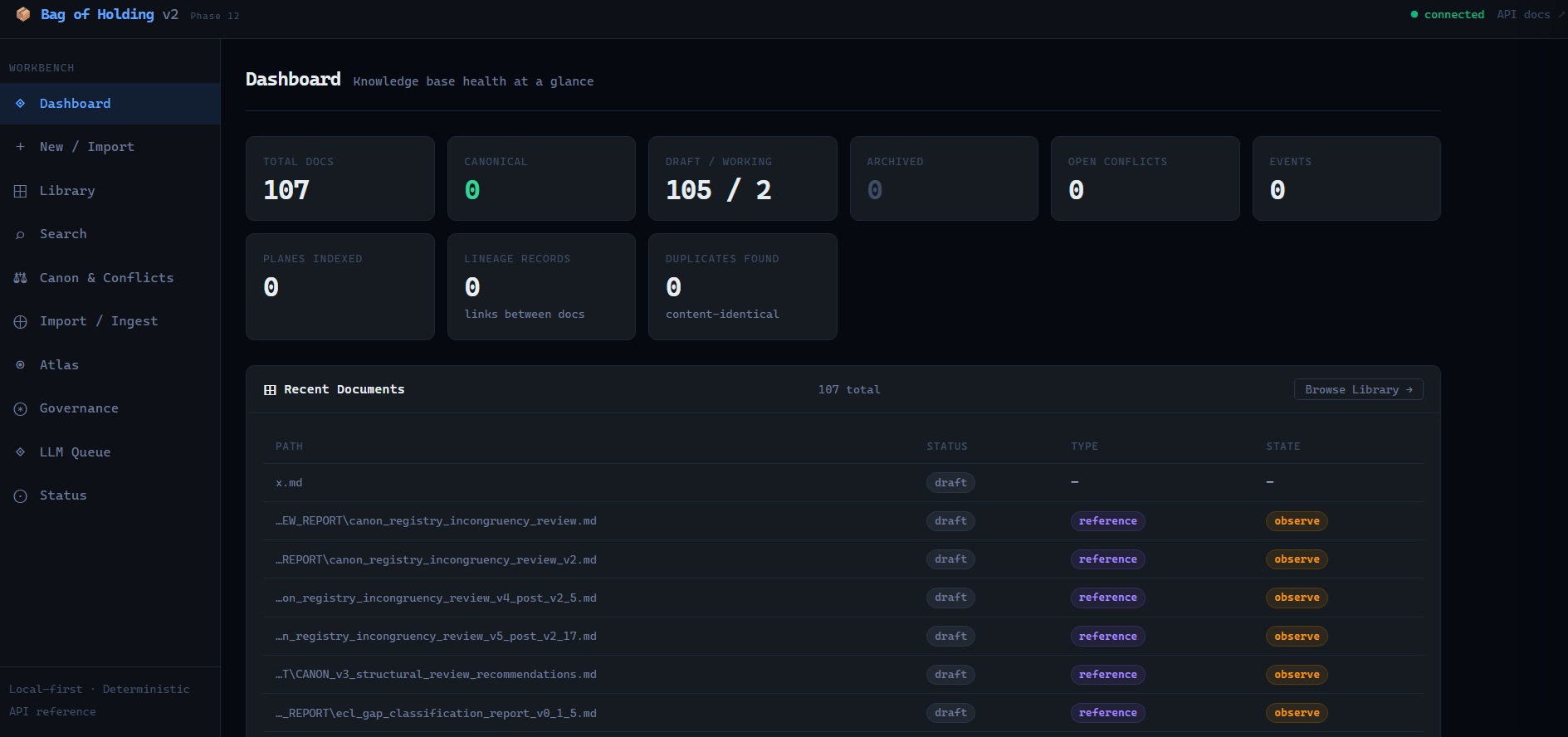
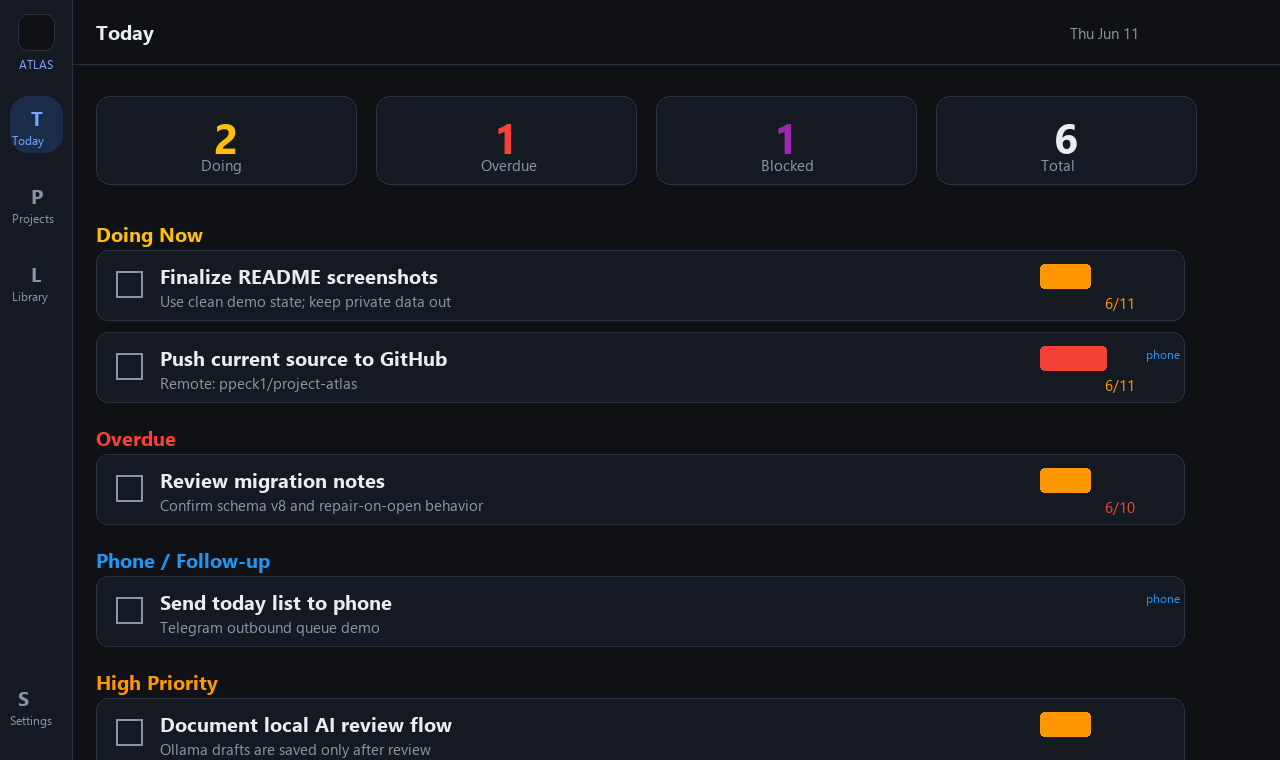
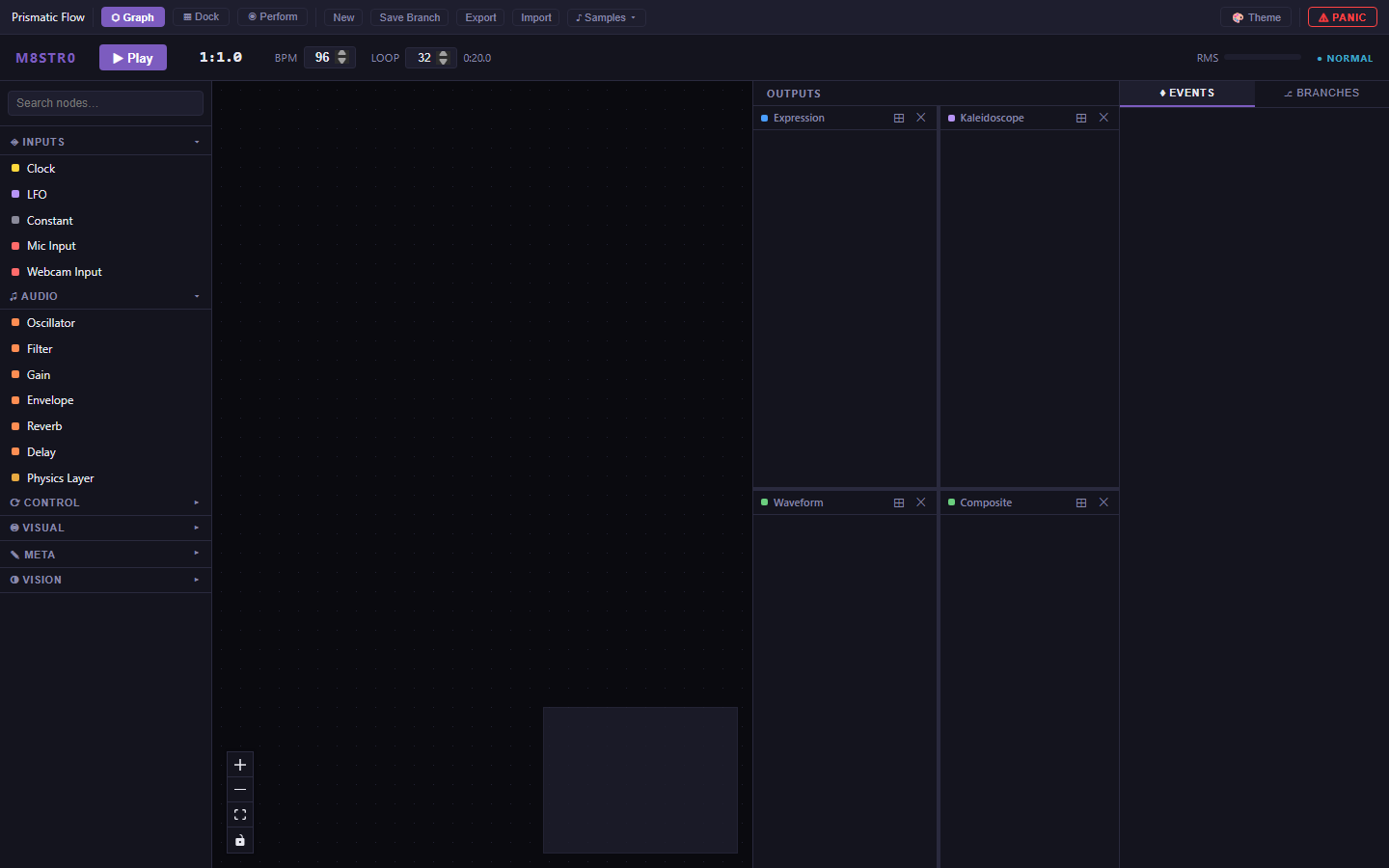
A local-first knowledge operating system for governed documents, reversible lifecycle management, and review-safe LLM integration. Built for environments where decisions carry consequence.
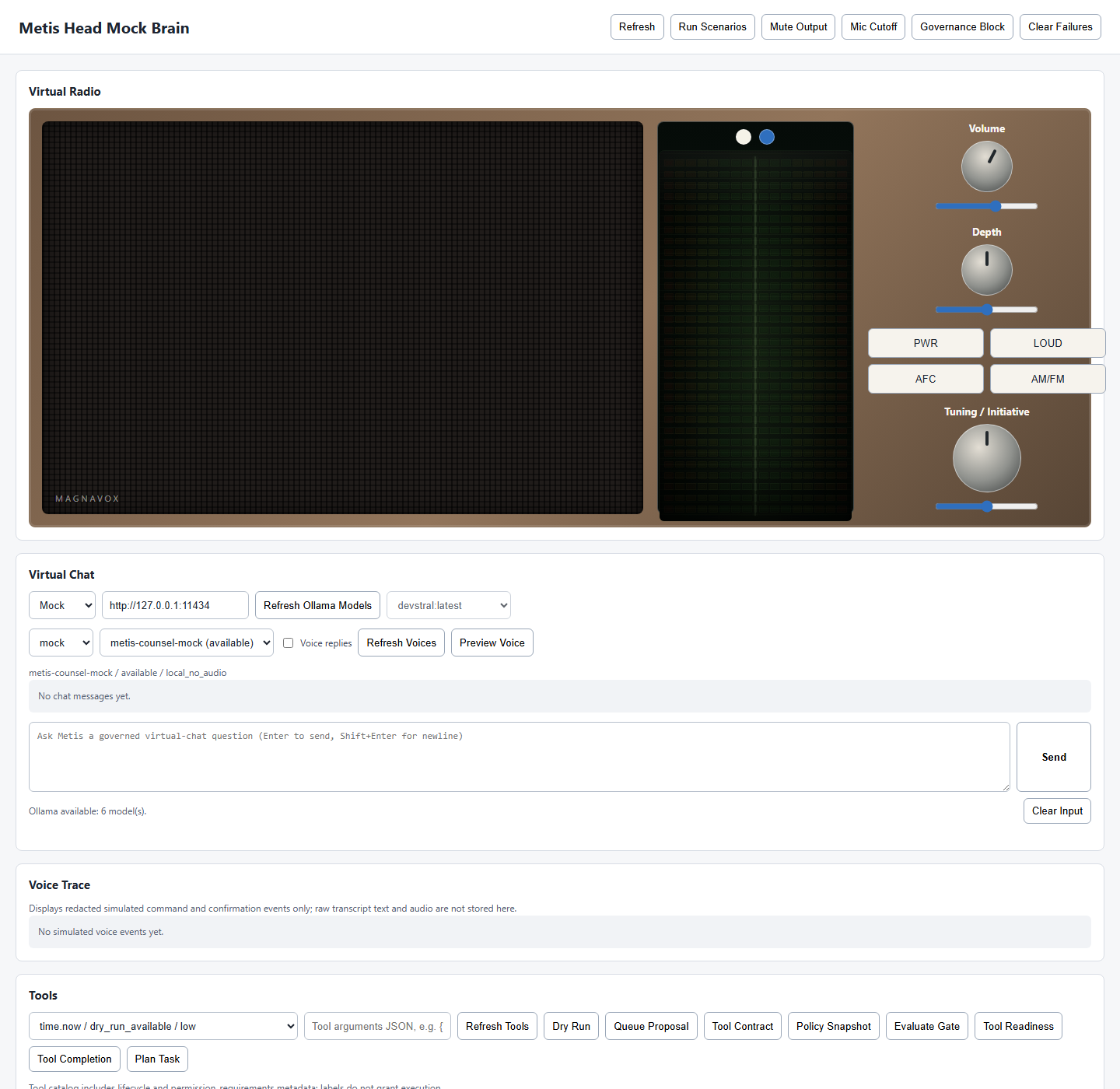
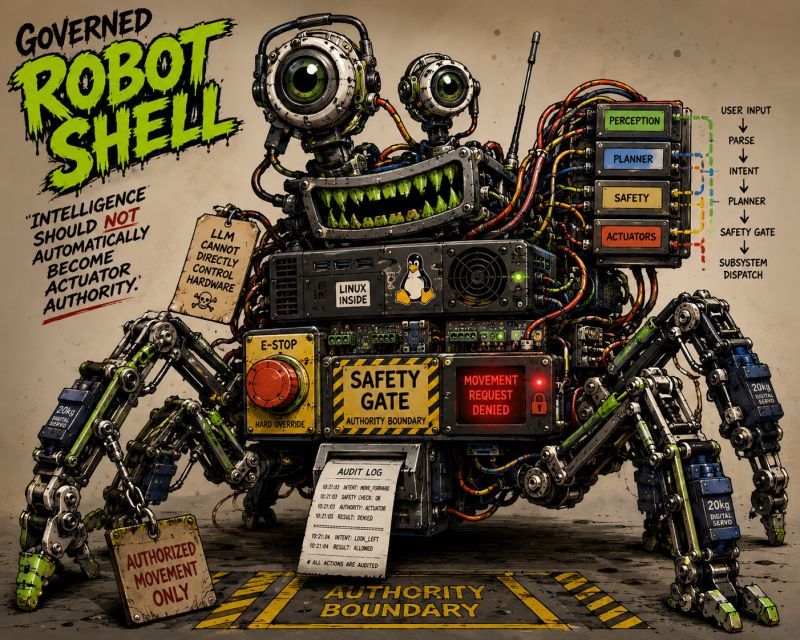
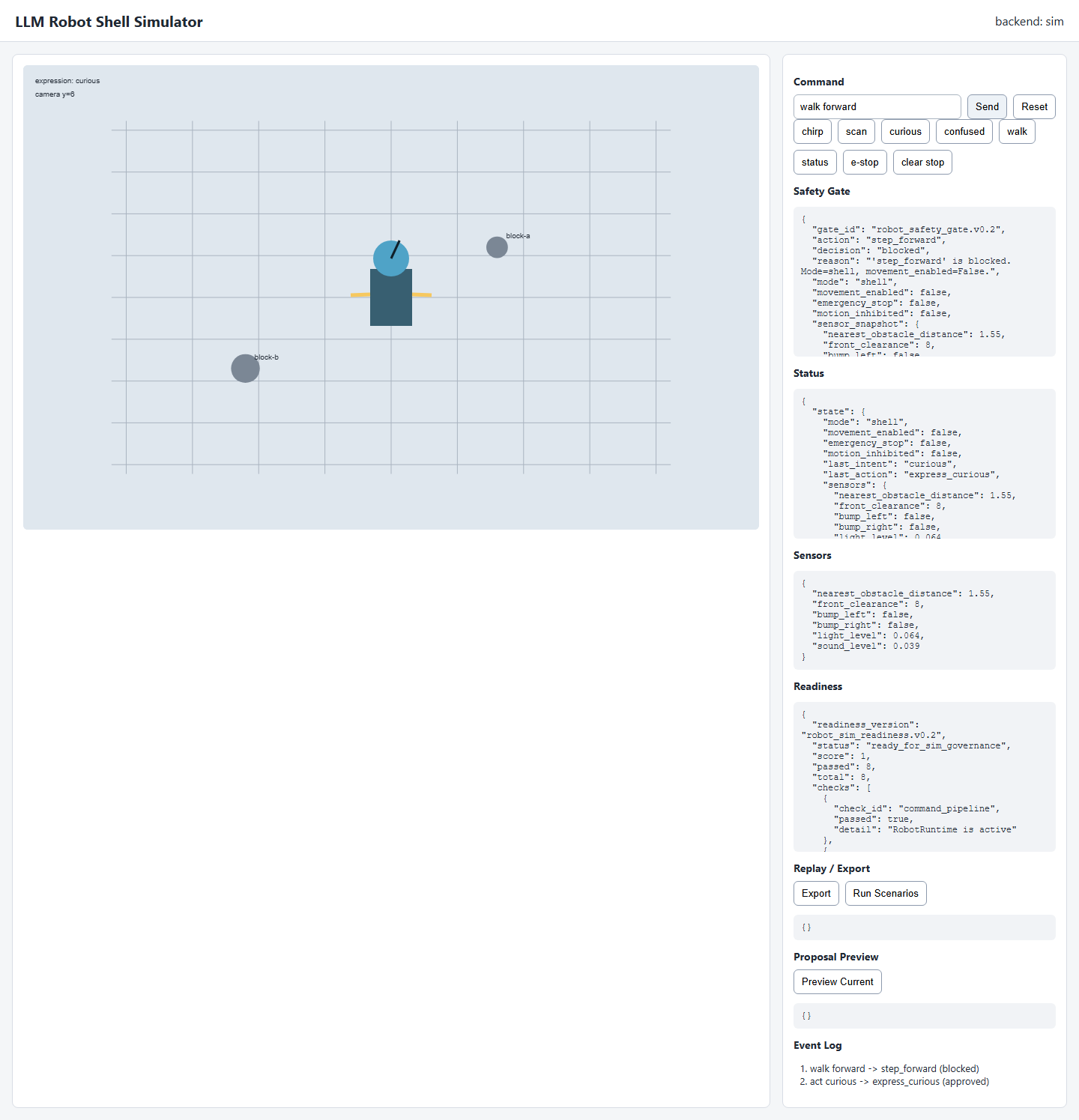
A decoupled robot-control prototype where LLM output becomes intent proposal, passes a safety gate, and only then reaches bounded actuators—demonstrating constraint-aware reasoning before motion authority.
● Bag of Holding — Constraint-Governed Knowledge Workbench ▲ PINNED Python · upd 2026-07-15
A local-first knowledge operating system for governed documents, reversible lifecycle management, and review-safe LLM integration. Built for environments where decisions carry consequence.
A decoupled robot-control prototype where LLM output becomes intent proposal, passes a safety gate, and only then reaches bounded actuators—demonstrating constraint-aware reasoning before motion authority.
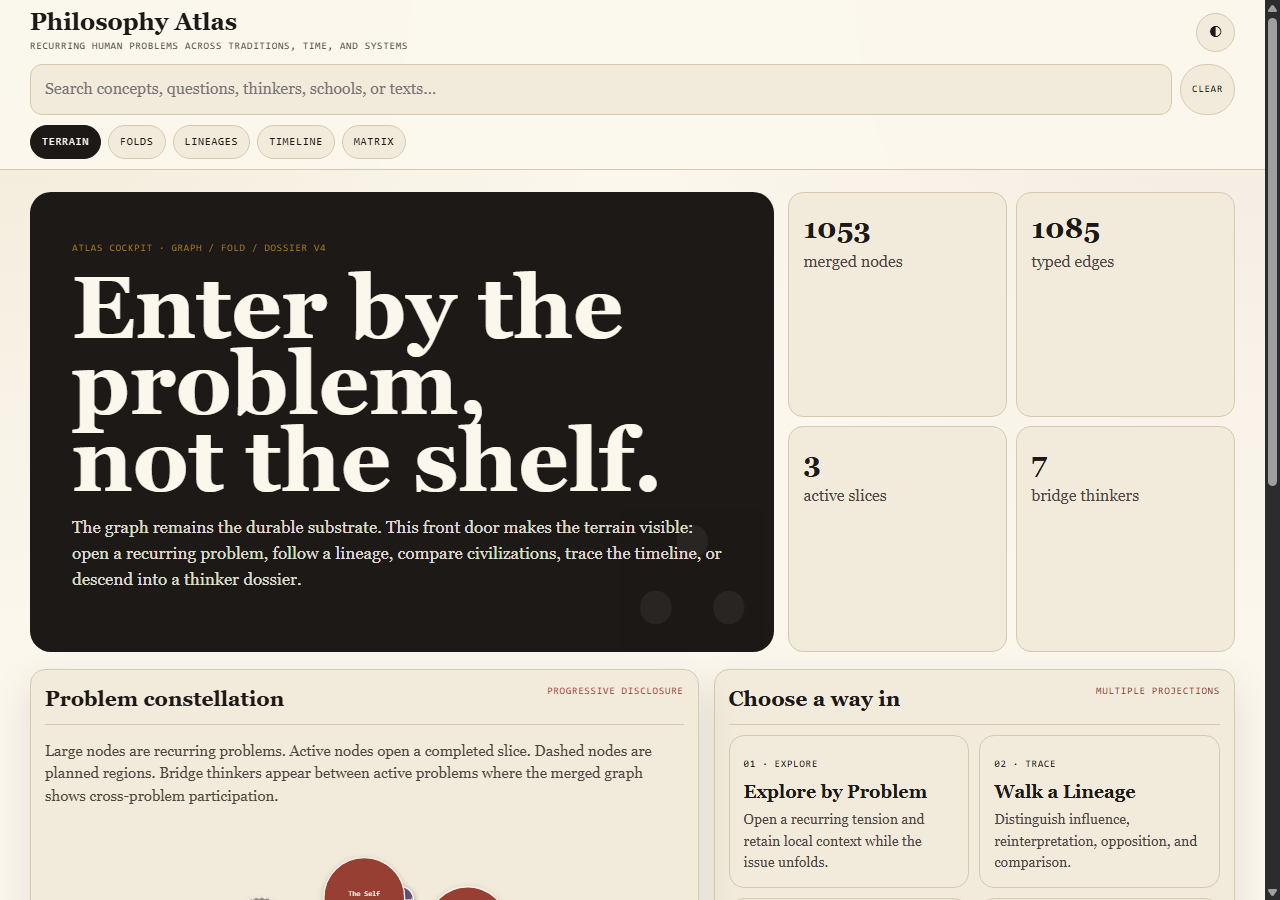
● Philosophy Atlas - Graph/Fold/Dossier Knowledge System demo
A generated static atlas that turns governed philosophy data into five interactive entry points: Terrain, Folds, Lineages, Timeline, and Matrix. Keeps philosophical uncertainty visible.
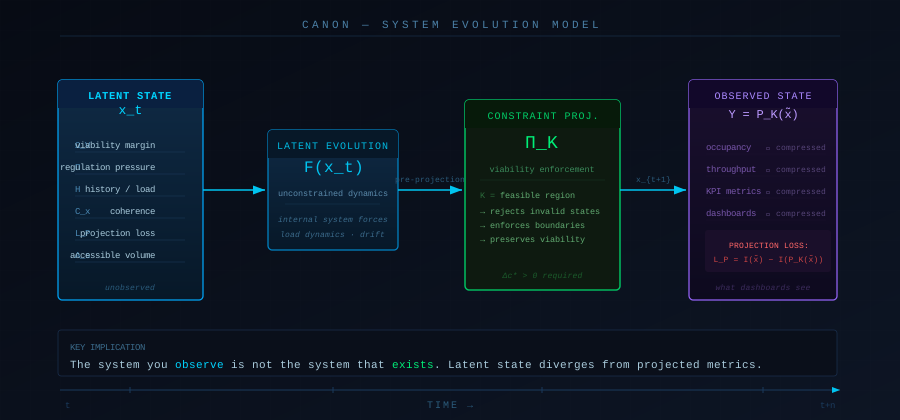
● Hospital LOS / Bed Flow as a CANON Application HTML · upd 2026-10-03
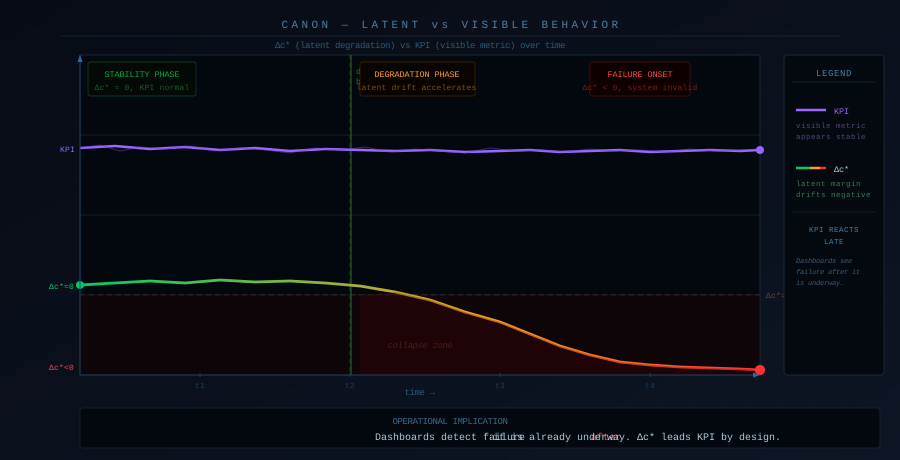
A hospital operations case study showing how a latent-state framework can model throughput stress, projection loss, and early deterioration before KPI-visible failure.
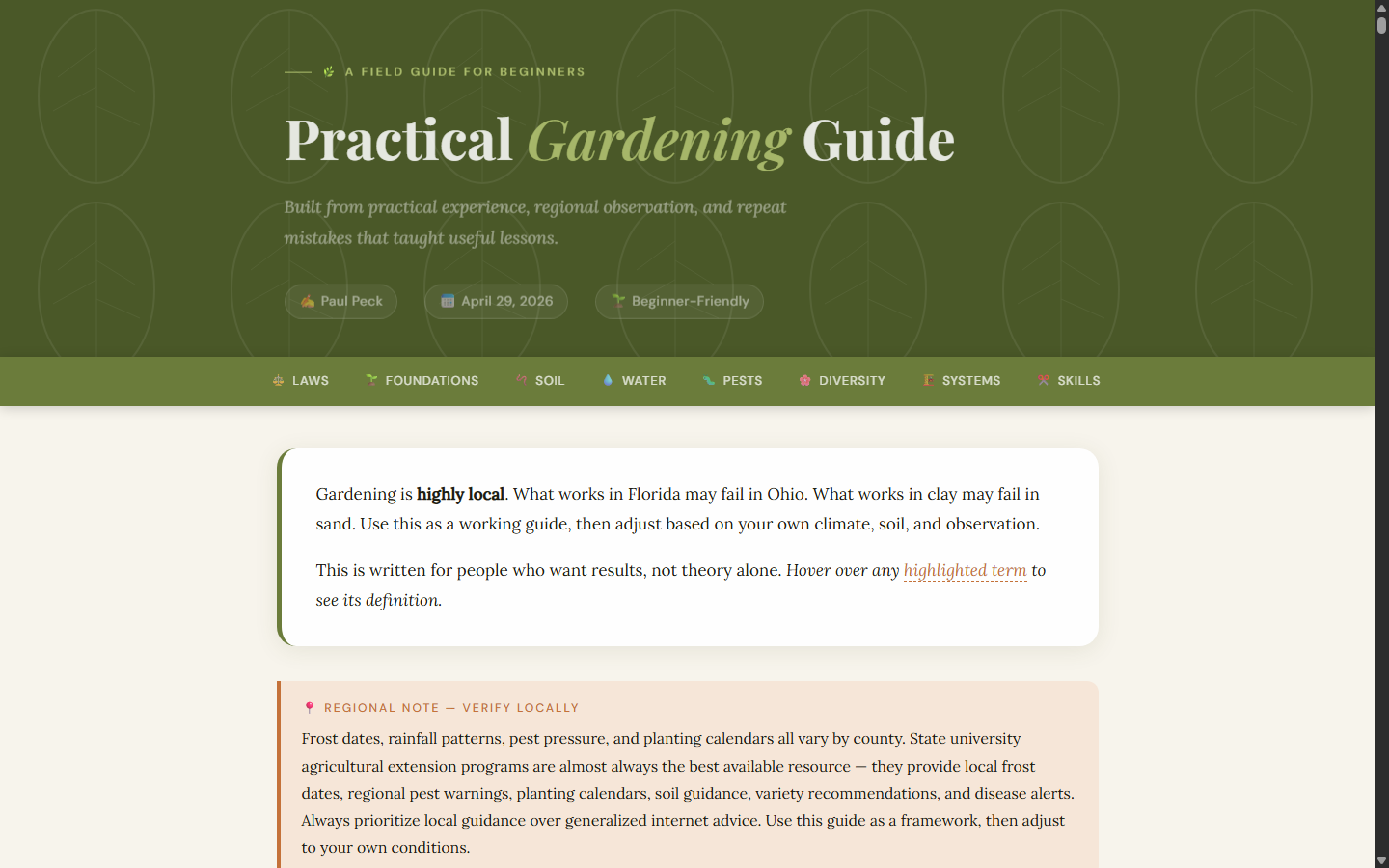
A self-contained, fully offline HTML reference for practical gardening — 200+ glossary terms, 25 crop guides, integrated pest management framework, and 7 garden laws.
● orange rows are public repos not yet filed on this chart — they surface here automatically.
Notes - Progress Notes and Field Observations
TL;DR: Short essays and working notes on clinical systems, AI governance, documentation, workflow geometry, cognitive load, and the strange middle ground between disciplines.
The notes section is not a traditional blog. It is closer to a public notebook: observations, working language, project reflections, and attempts to name patterns before the categories fully settle.
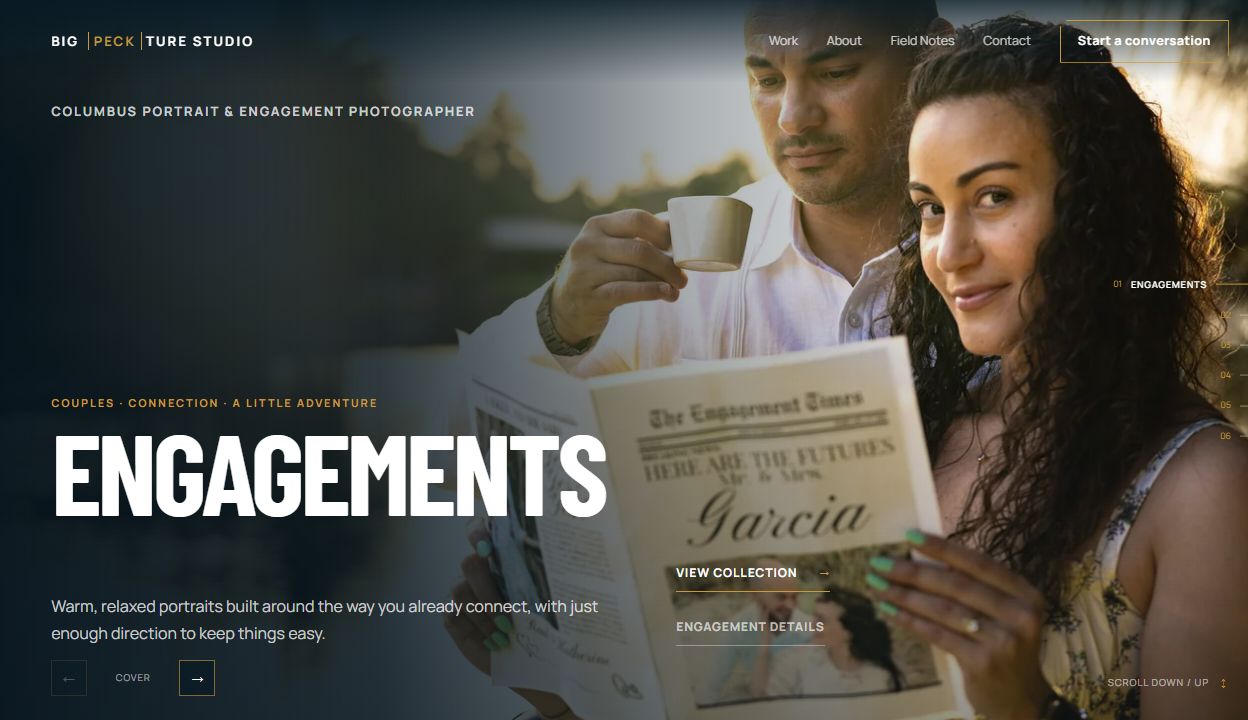
How I designed Big Peckture Studio as a cinematic portfolio, a set of focused service pages, and an interactive photography journal without asking one page to do every job.